
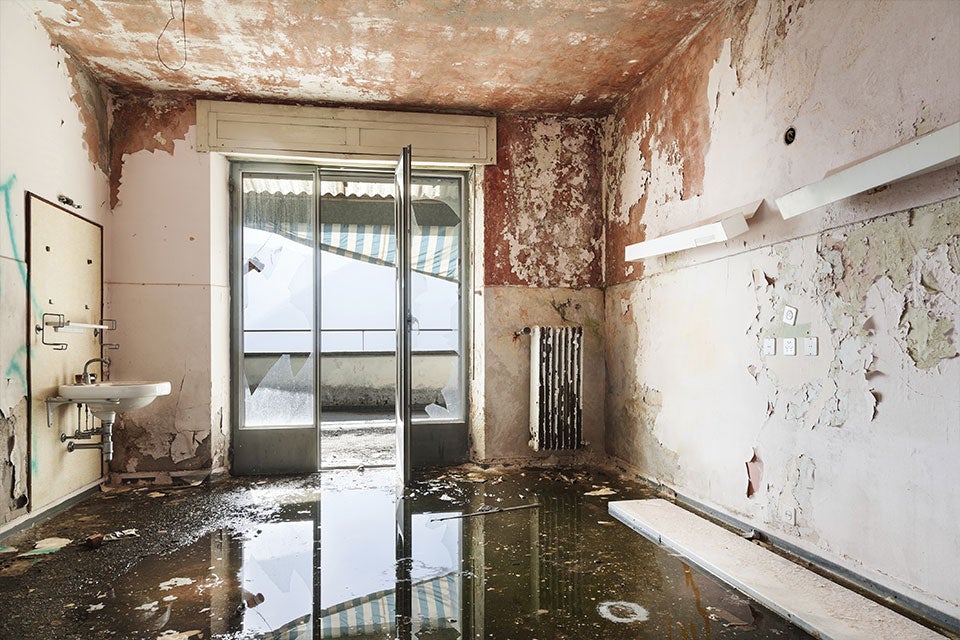
Recognizing early signs of water damage is crucial; not only does it help prevent expensive repairs, but it also protects your home from potentially devastating consequences. By staying vigilant and taking timely action, you can effectively safeguard your property.
This comprehensive home maintenance checklist is designed to help homeowners protect their property from water damage, ensure mechanical systems operate efficiently, and maintain both the interior and exterior of their homes.
By following these inspection and upkeep guidelines, you can identify potential issues early, such as plumbing leaks, mechanical failures, and exterior vulnerabilities, and address them before they develop into costly repairs.
Below we outline key steps for inspecting plumbing and mechanical systems, maintaining interior finishes, safeguarding against exterior water intrusion, and managing landscaping to promote proper drainage and home durability.
1. Inspect Plumbing Lines/Systems.
- Check for plumbing fixtures located on exterior walls of the home. Plumbing that runs through an outside wall to supply a tub or sink is prone to freezing, and pipes may burst in cold climates.
- Make sure there are water-pans under washing machines, hot water heaters, air conditioning units and water-bearing appliances located in or above finished living areas.
- Conduct visual inspections to check for corrosion around pipe connections.
- Check under sinks for leaks and signs of water.
2. Check the Basement and Mechanical Equipment.
- Hot water heaters have a 10- to 13-year life span. The manufacturer’s date is located on a date stamp or by identifying the first four characters of the serial number (month and year).
- Look for a water pan under the hot water heater (especially if located in a finished area) that will prevent any leak from effecting finished areas.
- Sump pumps need regular maintenance and testing to ensure optimal operation. Test the sump pump by pouring five gallons of water in the sump hole.
- Look for battery backup for the sump pump to ensure that it will continue to operate in case of a power outage.
- Look for water stains on basement walls and floors.
- Look for pipe insulation in unheated areas.
- Conduct a visual inspection of the HVAC system. A tag or sticker should indicate dates of recent service performed.
3. Observe the “Details” of Interior Maintenance.
- Inspect the caulking around bathroom fixtures. Missing or loose caulk can lead to water seepage.
- Assess the condition of grout in tile. Look for missing grout or signs of mould.
- Look for water stains on ceilings, walls and floors. Shining a bright light against walls will show imperfections that paint has covered.
- Check the heating system filter to see if it is present and clean.
- Look for cracks in drywall, especially around doors and windows.
- Look inside sinks for staining as a sign of leaky faucets.
4. Look for Points of Exterior Water Intrusion.
- Visually inspect the roof for worn or curled shingles.
- Gutters/downspouts should be clear of debris. Water from downspouts should flow away from the foundation.
- Look for deterioration of sills and mouldings around windows and doors.
- Look for rust and corrosion around the chimney cap.
5. Assess the Landscaping and Slope of the Property Around the Home.
- The house should be located on the highest point of the land with ground sloping away from the house.
- The soil directly against the house should slope away from the foundation.
- Look for open exposure on the wind-facing side of the house. Plumbing on this outside wall is most prone to freezing.
- Bushes and shrubs should be at least 18 to 24 inches away from the house to allow for adequate ventilation.
By making home maintenance a regular priority, you’re not just reducing the likelihood of water damage; you’re actively preserving your home’s value and creating a secure, comfortable environment for you and your loved ones. Dedicating a little time to routine inspections and timely repairs goes a long way, protecting your investment and bringing you true peace of mind. Don’t wait for problems to arise. A proactive approach today means you can avoid expensive headaches tomorrow and enjoy your home with confidence.
For more information on what your property insurance policy may cover, review our post on basic water damage coverage and additional endorsements.
If you have any questions about your home insurance policy, connect with one of our expert brokers today.
Get a quote.
Simply fill out a few details in our online form and one of our expert advisors will get your quote started.