High‑net‑worth condo owners often underestimate how condo bylaws affect insurance coverage, deductibles and personal financial exposure. This article explains how master policies, personal insurance and bylaws interact — and why overlooking deductible chargebacks and betterments can lead to costly gaps. Understanding these risks is essential before buying, renovating or making a claim.
When you buy a condominium for the first time, particularly if you’re downsizing, it’s easy to assume condo living will simplify your insurance. In reality, it introduces new layered risks driven by bylaws, deductibles and loss-assessment exposure.

Many owners don’t realize condo bylaws can dictate how losses are allocated, regardless of fault. For high-net-worth individuals, the financial consequences of misunderstanding these rules can be significant.
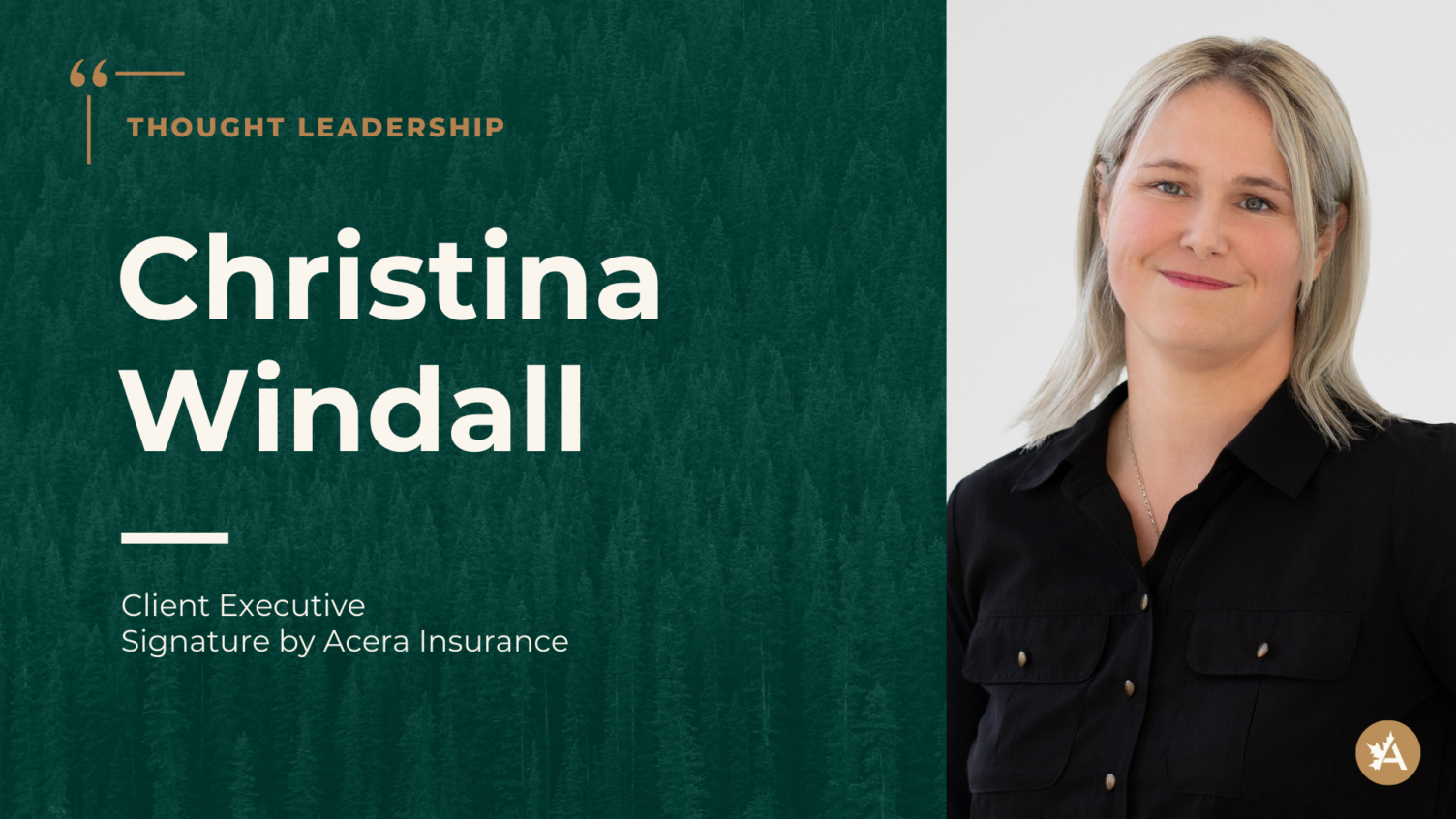
Christina Windall, Client Executive, Signature by Acera Insurance, explains why it’s important to understand how a condo corporation’s master policy and your personal insurance policy must work together to protect your unit and personal exposures.
The condo master policy myth: Where coverage commonly breaks down
It’s easy to mistake your condo corporation’s master policy for full coverage, but in practice there are often gaps that can leave owners exposed and underinsured after a claim.
Improvements, betterments and personal contents inside a unit are not covered under the master policy. These must be insured under the owner’s personal policy.
“The meat and the potatoes of the risk is in the bylaws – and that’s what people overlook.”
— Christina Windall
For example, after a flood, the corporation typically pays to restore the unit to its original, builder‑grade condition if the commercial policies deductible threshold has been met. If floors, appliances, or countertops have been upgraded, the additional cost to replace those improvements falls to the owner’s personal insurance. Condominium claims are complex due to provincial and territorial legislations, regulations and rules associated with condo buildings.

Rising weather‑related claims have led many luxury condo buildings to increase deductibles on their commercial policies for perils such as flooding and earthquakes to manage premiums. This shifts more financial risk onto unit owners. In response, new standalone products have emerged to help cover deductible shortfalls.
It’s also important to note that deductibles can be charged back to owners – even when they are not at fault. Reviewing both the master and personal policies together is essential to identify and address coverage gaps.
Improvements vs. betterments: How condo renovations become a costly coverage trap
Say your oven breaks and you decide to replace it with a newer model of the exact same oven. You would probably consider the new oven a simple replacement, right? Unfortunately, your new oven may now qualify as a betterment under your condo’s bylaws.
A replacement restores an item’s original function. A betterment improves it by increasing efficiency, capacity or useful life. Some bylaws classify any replacement as a betterment, regardless of materials used. That distinction can create unexpected gaps in coverage.
When making any additions, alterations or renovations to the unit, owners should advise their insurer as soon possible so coverage can be adjusted. Detailed records – such as invoices, plans and photos – are essential to support replacement values with the unit especially in older condos.

Insuring contents and improvements for full replacement costs can remove any ambiguity during a claim. If you feel the full replacement costs of the contents of your unit would be $800,000 that amount should be insured to avoid disputes at a later date.
Condo loss assessments and deductible chargebacks: Where owners pay first
Water remains a leading source of condo claims. In a major water damage event, such as burst pipes, owners are often surprised by the order of payment – and by how quickly personal exposure arises.
Typically, the corporation’s policy responds first with deductibles charged back to the originating unit. If the master policy’s deductible threshold is not met, the client’s personal policy would need to respond.
“People want to know the insurance cost – but they don’t want to read the bylaws, even though that’s where the real exposure lives.”
— Christina Windall
Robust protection means having unit‑assessment coverage with limits high enough to cover potential chargebacks. Personal policy limits for betterments and improvements need to reflect the true value of improvements or betterments in the unit. The full value of personal items in the condo should be insured as coverage is often paid out on a replacement cost basis. Owners should understand any caps that apply.
In some cases, a separate policy may be required to address deductible shortfalls, or owners may need to work with an insurer that offers higher assessment limits. Reviewing bylaws wording with your insurance advisor is strongly recommended and encouraged.
Why condo bylaws matter more than policy wording
Every condo corporation functions like its own small government. No two sets of bylaws are the same.
For high‑net‑worth buyers, reviewing bylaws should be a core part of the purchase and risk‑assessment process. Key documents to examine include:

Claims history: Look for the frequency and severity of past losses.
Unit entitlement documents: These determine each unit’s financial responsibility within the corporation.
Reserve fund reports: Review the timing of major repairs and replacements to common property.
Bylaws: These outline deductible chargebacks, renovation rules and water‑damage responsibility.
Together, these documents provide a clearer picture of potential financial exposure.
Conclusion
For affluent condo owners, effective insurance protection depends on aligning bylaws, the master policy and personal coverage before a loss occurs.
That means reviewing condo documents with the same care as investment statements, matching deductible limits to real exposure and treating condo insurance as an integrated risk strategy – not a checkbox.
FAQs: An overview of insurance blind spots for luxury condo owners
No. A condo corporation’s master policy is often misunderstood as “full coverage,” but it only insures the unit as it was originally built. Any improvements, betterments and personal contents inside your unit fall under your personal insurance policy. This is where significant coverage gaps can arise if policies aren’t properly aligned.
Because bylaws determine how losses are allocated, regardless of fault. They outline deductible chargebacks, loss assessments, renovation rules and water damage responsibilities – often overriding assumptions owners make based on policy wording alone. For high‑net‑worth owners, overlooking bylaws can lead to substantial, unexpected financial exposure.
A replacement restores an item to its original function, while a betterment improves or upgrades it. However, many condo bylaws treat any replacement as a betterment, even if the materials are similar. This distinction matters because betterments are typically not covered by the master policy, and failing to insure them properly can result in denied or reduced claims.
Yes. In many water damage or major loss scenarios, the corporation’s policy responds first – but the deductible is often charged back to the originating unit, regardless of fault. Unless the loss threshold is below the master policy’s deductible, in that event the unit owner’s policy would respond subject to the policy deductible. Without sufficient loss assessment or deductible coverage on your personal policy, owners may be required to pay these costs out of pocket.
Since 2012, Christina has specialized in building strong client-broker relationships, prioritising her clients’ needs and providing expert support. With over ten years of insurance industry experience, she also operated a drywall company and worked as a construction contractor for two years. Christina holds CAIB and CIP certifications.
You can contact Christina Windall at christina.windall@acera.ca or 604.235.1852
Related reading:
- The importance of excess liability for high-net-worth individuals
- Why you should talk to an insurance expert first before buying a luxury vehicle
- How to optimize your insurability as a high-net-worth individual

Get weekly tips to protect your business!
Subscribe to our LinkedIn Newsletter. Our advisors’ insights will help you Be Risk Ready.
Information and services provided by Acera Insurance, Acera Benefits and any other tradename and/or subsidiary or affiliate of Acera Insurance Services Ltd. (“Acera”), should not be considered legal, tax, or financial advice. While we strive to provide accurate and up-to-date information, we recommend consulting a qualified financial planner, lawyer, accountant, tax advisor or other professional for advice specific to your situation. Tax, employment, pension, disability and investment laws and regulations vary by jurisdiction and are subject to change. Acera is not responsible for any decisions made based on the information provided.