
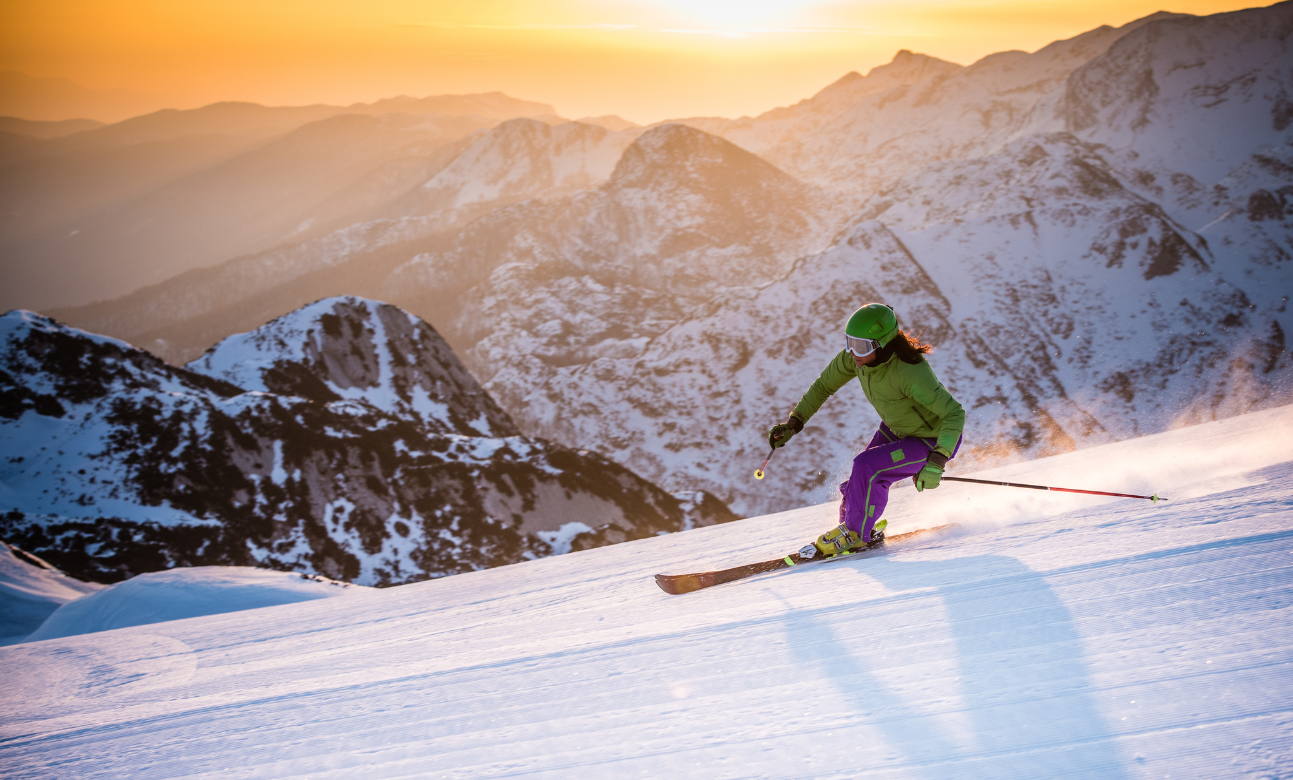
From Japan’s powder filled winters to glacier skiing in Switzerland and spring turns in New Zealand, skiers can find great conditions somewhere in the world year-round. This guide highlights top global ski destinations by season and reminds travellers to plan ahead with appropriate travel insurance.
Ski holidays are one of the best parts about winter. But what if you want to chase snow around the world and hit the slopes year-round?
Below are six destinations to consider when planning a ski trip in every season.
January – February: Japan
Japan might not be the first destination that comes to mind for many Canadians when planning a ski trip, but it offers some of the best snow in the world. The mountain regions of the northern island of Hokkaido get between 25 and 50 feet of snow in some areas and are renowned for deep, dry powder and high-altitude alpine terrain.
You can also immerse yourself in local culture. What sounds better than a steaming bowl of ramen, followed by a soak in an onsen (hot spring) after a day on the slopes? While the season typically runs from November to April, peak conditions usually last from mid-January through February.
March – April: Canadian Rockies
Did you know that March has some of the year’s best snowfall days in areas like Banff, AB? With longer daylight hours and excellent spring conditions, the Canadian Rockies offer something for every skill level.
High-altitude resorts such as Fernie, Kicking Horse and Lake Louise often see deep snowpacks, warmer temperatures and extended daylight hours. Softer snow can be ideal for beginner and intermediate skiers, while milder weather makes it easier to enjoy a drink on a patio between runs.
May – June: Switzerland
Glacier skiing keeps the season going in Switzerland. Zermatt offers the highest skiing in Europe, with terrain reaching nearly 4,000 metres above sea level. The Matterhorn Ski Paradise is the highest ski area in the Alps and remains open year-round.
The runs might be a bit limited depending on snow quality, and strong sunscreen is essential at this altitude, but skiing on a glacier is an experience many travellers aim to cross off their bucket lists.
July – August: Chile
During North America’s summer months, winter is in full swing in the Southern Hemisphere. The Andes provide some of the best powder conditions, and Chile is known for its steep slopes, dramatic scenery and consistent snowfall.
The ski season typically runs from June to September, and many of the country’s top resorts are within one to two hours of the capital, Santiago.
September – October: New Zealand
New Zealand’s peak ski season also falls during the Northern Hemisphere’s summer, but September and October can bring excellent spring skiing. Skiers can expect longer sunny days, softer snow and more relaxed conditions.
Warmer temperatures also mean lighter gear is often sufficient compared with earlier in the season.
November – December: France
Early season skiing begins in late November at Val Thorens, Europe’s highest ski resort. The village sits at 2,300 metres in the French Alps and is part of the world’s largest linked ski area, offering 600 km of downhill terrain and 300 km of cross-country trails.
France is also known as the birthplace of après-ski culture, ensuring plenty of options for food, drinks and entertainment after a day on the slopes.
Remember your travel insurance
Before you book your next ski adventure, don’t forget to factor in adventure travel insurance, especially if you are doing high-risk activities like backcountry skiing. Common coverages include:
- Emergency medical expenses
- Trip delays or cancellations
- Lost luggage
Wherever you travel, Acera Insurance ensures peace of mind. In partnership with TuGo, a leading Canadian travel insurer, Acera offers an online self-serve platform to quickly purchase coverage.
If you have more complex needs, our advisors can help you find the right coverage. Email travel@acera.ca today.
Information and services provided by Acera Insurance, Acera Benefits and any other tradename and/or subsidiary or affiliate of Acera Insurance Services Ltd. (“Acera”), should not be considered legal, tax, or financial advice. While we strive to provide accurate and up-to-date information, we recommend consulting a qualified financial planner, lawyer, accountant, tax advisor or other professional for advice specific to your situation. Tax, employment, pension, disability and investment laws and regulations vary by jurisdiction and are subject to change. Acera is not responsible for any decisions made based on the information provided.