
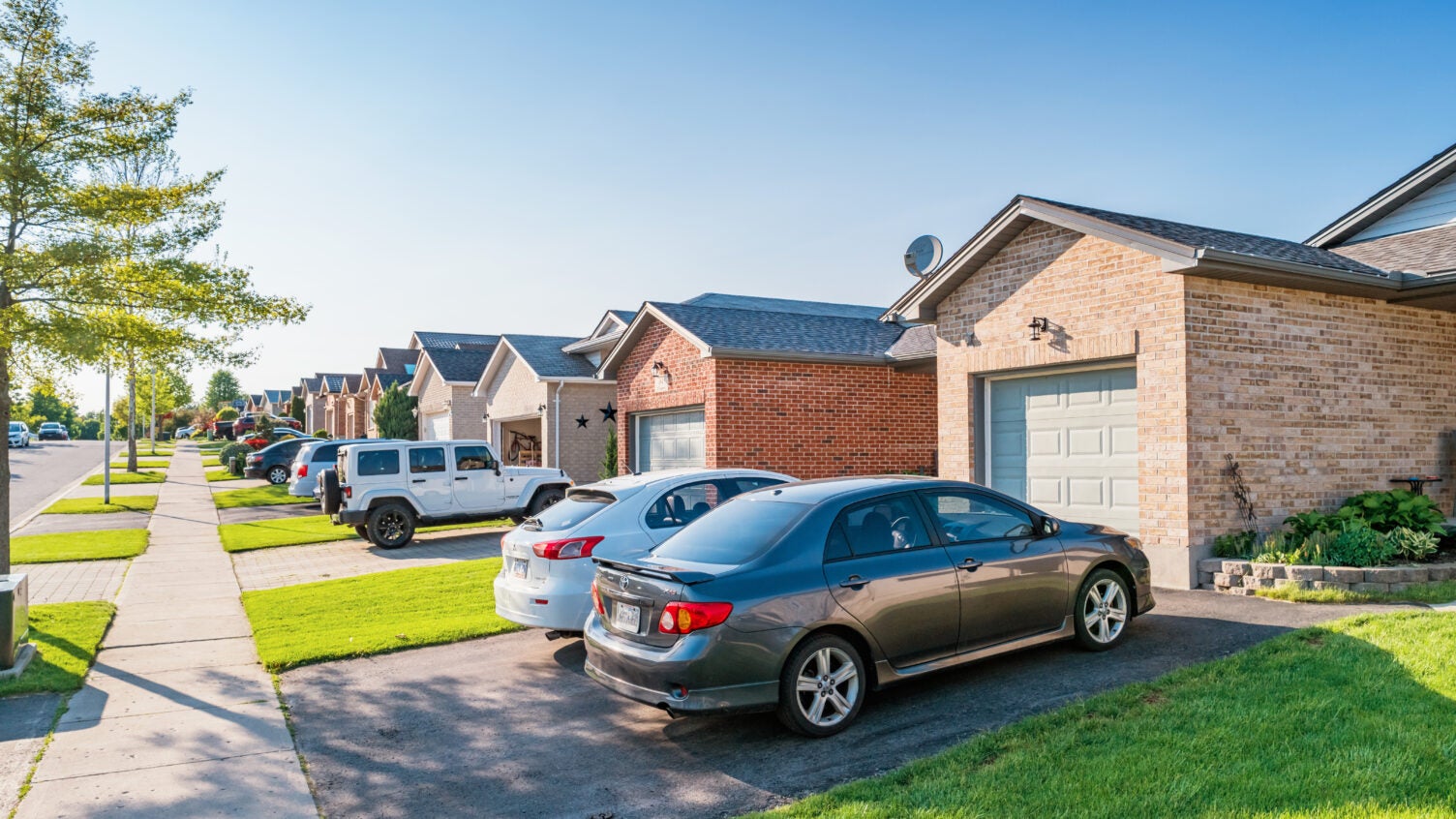
It’s tempting to judge your auto insurance by what your neighbour pays, but premiums differ from person to person. Pricing reflects your vehicle, driving history, location, coverage choices and discounts (among other factors). Here’s why comparing numbers can be misleading and what to look at instead so you can feel confident you’re properly covered.
Maybe you chatted with a neighbour or a friend, and they casually mentioned they pay “way less” for auto insurance than you do. It’s a common moment of sticker shock and it can make you wonder if you’re overpaying.
The reality: Two people can live on the same street and have very different rates even with the same insurer. Auto insurance pricing is built around risk and coverage details, so a single premium number doesn’t tell you what’s included (or what’s missing).
What your neighbour’s auto insurance premium doesn’t show you
Here are some of the most common reasons premiums differ between neighbours.
1) Different vehicles cost different amounts to insure

A newer vehicle, a high-theft model or a car with expensive parts can cost more to repair or replace, which can increase your premiums. Even trim level and safety features can make a difference in your costs.
2) Driving history and experience aren’t the same
Years licensed, prior claims, tickets and at-fault accidents all influence your pricing. Two neighbours’ lifestyles might look similar day to day, but their driving records can be very different.
3) Your postal code and where the car is parked matter
Rates can vary by neighbourhood based on collision frequency, theft patterns and other loss trends. Parking in a garage versus on the street can also impact your vehicle’s risk and increase your premiums.
4) Coverage choices change the price and the protection

This is the biggest “hidden” difference when you compare premiums. Your neighbour might have:
- Higher deductibles (lower premium, more out-of-pocket in a claim)
- Less coverage for collision or comprehensive
- Lower liability limits
- Fewer optional coverages (e.g., rental car coverage, loss of use, increased accident benefits, roadside assistance)
A lower premium can simply mean they’re carrying less protection, which might not be a good trade-off financially in the event of a claim.
5) Discounts can be very different

Multi-vehicle, bundling (auto + home/condo/tenant), alumni or employer groups, winter tires, usage-based programs and claim-free discounts can add up. Your neighbour may qualify for discounts you don’t (and vice versa).
What to compare instead
If you’re trying to make sure that you’re getting good value, focus on the parts of a policy that directly affect your financial risk.
Compare coverage, not just price

Ask yourself: What liability limit do I have? Do I have collision and comprehensive? What optional coverages are included? A policy that costs more might be protecting you from a much bigger loss.
Compare deductibles

A higher deductible can reduce your premium, but make sure you’re comfortable paying that amount if you have a claim tomorrow. If not, a lower deductible may be worth the higher monthly cost.
Compare service and claims support

Price matters. but so does the experience when something goes wrong. Consider ease of making a claim, repair options, response time and how your Acera advisor can help advocate for you.
Don’t forget your home insurance
When you review your auto, it’s also a good time to look at your other personal insurance coverage:
- Home/condo/tenant: Are your contents limits accurate? Do you have the right deductible? Are water damage coverages aligned with your risk?
- Umbrella/excess liability: If you have assets to protect, higher liability limits (or an umbrella policy) can be a cost-effective way to reduce risk.
- Bundling: Packaging policies often unlocks discounts and can simplify renewals and claims.
The bottom line
If your neighbour pays less, it doesn’t automatically mean you’re being overcharged. It usually means their situation, vehicle, record, discounts or coverage is different. The best comparison is between what you’re paying and what you’re getting and whether that protection fits your needs.
If you have any questions, need help with reviewing your current policy or would like new quote options, contact your Acera Insurance advisor.
Information and services provided by Acera Insurance, Acera Benefits and any other tradename and/or subsidiary or affiliate of Acera Insurance Services Ltd. (“Acera”), should not be considered legal, tax, or financial advice. While we strive to provide accurate and up-to-date information, we recommend consulting a qualified financial planner, lawyer, accountant, tax advisor or other professional for advice specific to your situation. Tax, employment, pension, disability and investment laws and regulations vary by jurisdiction and are subject to change. Acera is not responsible for any decisions made based on the information provided.
Get a quote.
Simply fill out a few details in our online form and one of our expert advisors will get your quote started.