
Ontario Farm Insurance
Farm insurance brokers in Ontario
Farmers in Ontario and Eastern Canada face unique agricultural risks that require specialized insurance solutions. For commercial farms, whether you operate a large-scale crop operation, dairy farm, poultry facility, or mixed farming enterprise, Acera Insurance offers expert guidance to assess your risks and tailor a comprehensive protection policy that brings peace of mind.
Our team understands the complexity of Ontario’s commercial farming landscape and provides insurance solutions for:
- Dairy and poultry operations
- Large-scale crop and grain farms
- Custom farming and contract work
- Greenhouses and horticultural businesses
- Commercial berry, vineyard, and orchard operations
- Farm workers, equipment, and vehicle fleets
- On-farm processing or agri-tourism activities
Acera Insurance supports Ontario’s commercial farmers with innovative insurance products and risk management solutions that grow with your business. Whether you’re scaling up, diversifying, or looking to safeguard your investments, we’re here to help protect your operation every step of the way.
What is commercial farm insurance?
Every commercial farm in Ontario is distinct, often encompassing a wide range of operations. These farms are an integral part of the province’s rural and urban communities, and often, the place you work is also where you live. That’s why it’s essential to have insurance coverage that protects both your livelihood and your property if the unexpected occurs.
With Acera Insurance, Ontario commercial farmers can safeguard:
- Buildings, barns, greenhouses, storage, and processing facilities
- Machinery, equipment, and advanced agricultural technology
- Farm and commercial vehicles, including fleets
- Farm workers, including seasonal and contract staff
- Farm liability for accidents, property damage, and legal expenses
- Livestock, crops, vineyards, orchards, and processed agricultural products
- Home and personal property, if your residence is on-farm
Commercial farm insurance in Ontario is specifically designed to protect your farming operation and your personal property. It combines elements of home, commercial property, and liability insurance, with additional coverage tailored to the risks and needs of Ontario’s agricultural sector.

Do I need farm insurance in Ontario?
Farm insurance in Ontario is designed to reduce the financial impact of unforeseen events, providing protection for your livelihood and property. While most elements of farm insurance are not legally required in Ontario, there are circumstances where coverage may be mandatory:
- Third-party liability, direct compensation for property damage, and accident benefits coverage on vehicles are required if you operate farm vehicles on public roads.
- Workplace Safety and Insurance Board (WSIB) coverage if you employ workers, including seasonal and contract staff.
- Property damage coverage on leased or financed machinery, equipment, or buildings is often required by lenders or leasing companies.
- Some contracts may also stipulate specific types and amounts of insurance, usually liability coverage, to protect both parties involved.
All other forms of coverage, such as protection for your home, barns, livestock, crops, and advanced agricultural technology, are optional but strongly recommended. If you could not afford to repair or replace what was lost out of your own pocket, farm insurance provides essential financial security for Ontario farmers.
Types of commercial farm insurance in Ontario
Farm insurance in Ontario can be tailored to suit the unique requirements of your operation, whether you run a small hobby farm or a large commercial agricultural enterprise. Depending on your circumstances and the insurer, your coverage may include:
- Endorsements added to your home insurance policy
- A comprehensive farm insurance policy covering both commercial and personal property
- Multiple policies and endorsements working together to protect your farm, equipment, livestock, crops, and advanced agricultural technology
Our farm insurance brokers are available to assist Ontario farmers in finding coverage options that best match their operational needs and budget.
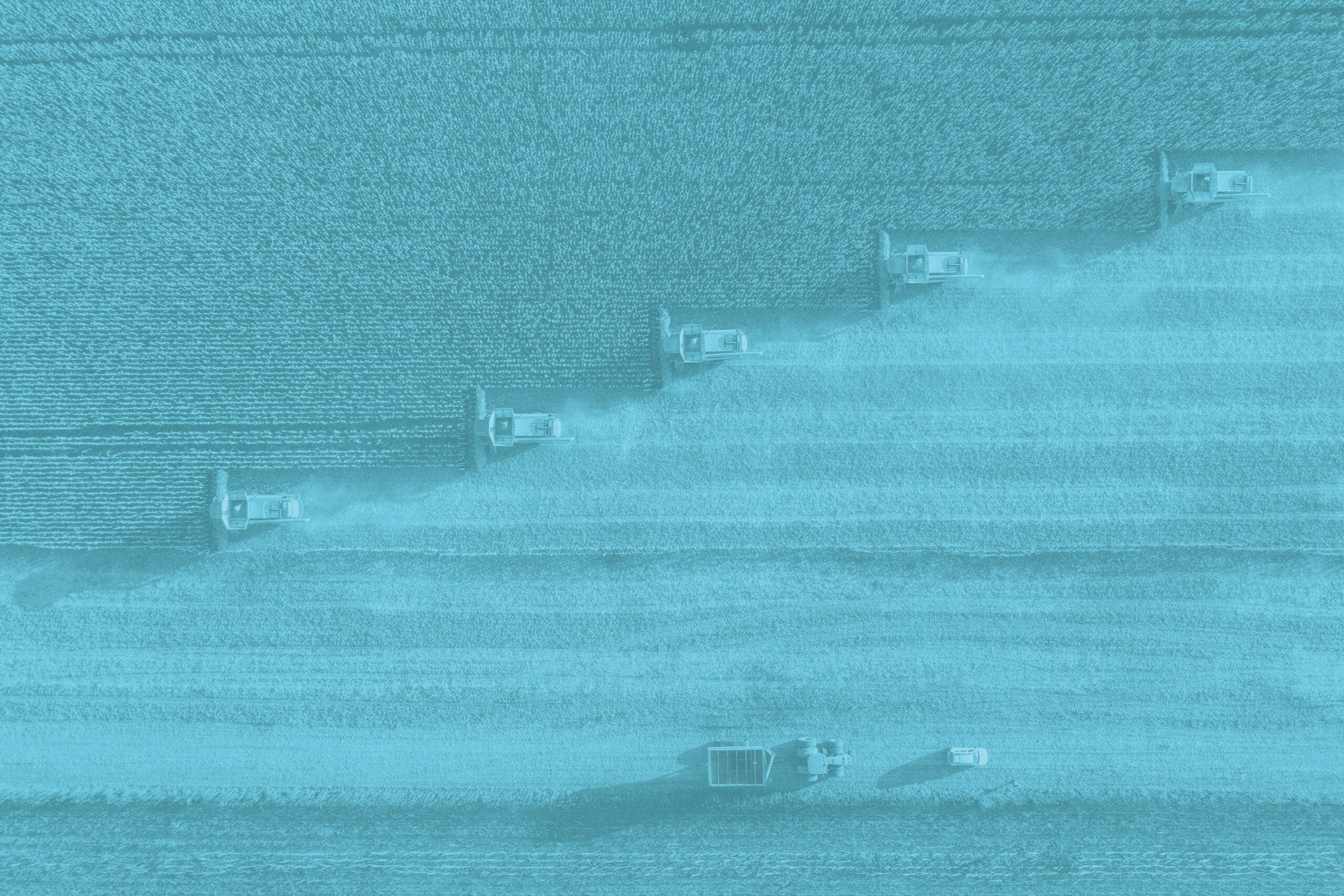
Safeguard your commercial farm with insurance that Ontario farmers and agricultural producers can rely on.
Farm insurance coverage options in Ontario
- Commercial General Liability: Protects against property damage, injuries, or legal expenses resulting from negligent acts by you or your employees. In Ontario, this is often essential due to the province’s diverse farm operations and potential for third-party claims.
- Dwellings and Farm Outbuildings: Coverage for barns, greenhouses, workshops, and sheds located on your Ontario property, helping cover losses due to events like fire, windstorm, or theft. Be sure to review your policy for coverage of specific outbuildings as requirements may vary by municipality and insurer.
- Farm Vehicle Coverage: Ontario farm vehicles, such as tractors and pick-up trucks, are typically used only on the farm and may travel fewer kilometres. The province requires proper licensing and insurance for farm-plated vehicles. Unique coverage and special rates reflect their limited use and any specialized equipment.
- Farm Machinery and Tools: Protects essential equipment like tractors, combines, and other tools used in Ontario’s farming operations. Policies often cover loss, theft, or damage, ensuring you can keep your operations running smoothly.
- Equipment Breakdown: Standard property insurance may not cover many types of mechanical or electrical breakdowns. Equipment breakdown insurance helps repair or replace crucial farm equipment such as irrigation pumps, milking machines, or generators, especially important for Ontario’s dairy, poultry, and crop producers.
- Agricultural Products: Covers crops and other income-generating products grown on your Ontario farm, protecting against loss from insured perils such as fire, theft, or hail. Additional government-supported crop insurance programs are also available in Ontario.
- Business Interruption / Loss of Income: If unforeseen circumstances (like fire or severe weather) force you to halt farming operations, this coverage can provide funds for essential expenses until you can resume normal business.
- Production Cost Insurance: In Ontario, this type of insurance helps guarantee revenue by using historical margins and covering input costs like seeds, fertilizer, and chemicals, providing financial stability if yields or prices drop unexpectedly.
- Livestock and Poultry: Addresses risks unique to livestock and poultry farming, including illness, injury, or death of animals. Ontario farmers should ensure their policy addresses region-specific risks such as disease outbreaks and extreme weather.
- Pollution Insurance: Helps cover legal expenses if your farming activities accidentally cause pollution or environmental harm, which is especially relevant given Ontario’s strict environmental regulations around agricultural operations.
These coverage options are designed to reflect the unique needs and regulatory environment faced by Ontario farmers. It’s recommended to work with an experienced Ontario farm insurance broker to ensure your coverage meets provincial requirements and is tailored to your specific operation.

Ontario tractor insurance: How best to insurance this vital asset
Tractors can be covered under either farm vehicle coverage or farm machinery and tools coverage, depending on how they are used and the specifics of your insurance policy. In Ontario:
Under your farm machinery and tools coverage
If your tractor is used strictly as equipment for farm operations (such as fieldwork, planting, or harvesting) and is not used on public roads, it may be covered under farm machinery and tools insurance. This policy protects against loss, theft, or damage to essential equipment like tractors, combines, and other tools, helping you keep your farming operations running smoothly.
Under your farm vehicle
coverage
If your tractor is licensed for road use and travels beyond the farm property (even occasionally), it typically requires farm vehicle coverage. This coverage includes proper licensing and insurance for farm-plated vehicles, and may offer unique rates due to their limited use and specialized equipment.
Ontario farmers should review their insurance policies and consult with their broker to ensure tractors are properly covered according to their use, licensing, and provincial requirements.
Expanding on equipment breakdown coverage for farms
Equipment breakdown coverage offers Ontario farmers important financial protection by helping repair or replace critical machinery if it fails due to a mechanical or electrical issue. This coverage can also include compensation for business interruption, ensuring your essential operations continue while equipment is being fixed or replaced.
Common types of farm equipment eligible for coverage include:
- Well pumps used for irrigation or watering livestock
- Water heaters
- Backup generators
- Refrigeration and cooling units
- Boilers and pressure vessels
- Milking and milk collection equipment
- Heating, cooling, and ventilation systems
- Motors and pumps
- Electrical panels and distribution systems
- Computers, GPS units, and other digital or electronic farm equipment
It’s important to note that standard farm insurance policies typically do not cover mechanical or electrical breakdowns. For Ontario farmers, adding equipment breakdown coverage is a smart way to protect your investment in machinery and maintain business continuity, especially given the region’s reliance on technology for efficiency.
Insurance coverage by specific farm types
Dairy insurance in Ontario
Dairy insurance is tailored to address the specific risks faced by dairy farmers in Ontario. Policies typically cover loss, damage, or breakdown of milking equipment, refrigeration units, and other critical machinery essential for dairy operations. Coverage may also include protection against contamination of milk and business interruption due to equipment failure or severe weather events. Ontario dairy farmers should ensure that livestock coverage is included to safeguard against illness, injury, birthing, or death of cattle, and to comply with provincial regulations regarding animal health and environmental standards.
Poultry insurance in Ontario
Poultry insurance is designed to protect Ontario poultry farmers from risks such as heat prostration, disease outbreaks, extreme weather, and equipment breakdowns. Policies generally cover the loss of birds due to illness, injury, or death, as well as damage to specialized equipment like incubators, feeding systems, and ventilation units. Business interruption coverage is also crucial, providing financial support if operations are halted by unforeseen events. Pollution insurance can also be relevant, as poultry operations must adhere to strict environmental regulations. Working with an experienced broker ensures that coverage meets both municipal and provincial requirements.
Crop insurance in Ontario
Crop insurance safeguards Ontario farmers against financial loss resulting from insured perils such as fire, theft, hail, drought, or insect damage. Policies may cover a wide range of crops and provide compensation for lost or damaged harvests, supporting farm income stability. Additional government-supported programs are available to further protect against unpredictable weather and market conditions. Production cost insurance can help guarantee revenue by covering input expenses like seeds, fertilizer, and chemicals, ensuring financial resilience if yields or prices drop unexpectedly. It’s important for farmers to review available options and select coverage that aligns with their specific crops and operation size.
Understanding the cost of farm insurance for commercial operations in Ontario
The cost of farm insurance for commercial farms in Ontario is determined by a range of factors specific to larger-scale, business-oriented agricultural operations. In addition to the standard considerations, commercial farms often have greater insurance needs due to the size, complexity, and value of their assets and operations.
What influences farm insurance rates in Ontario?
- Type of Commercial Operation: The kind of commercial farm, such as large-scale dairy, poultry, greenhouse, cash crop, or mixed operations, significantly impacts risk assessment and premiums.
- Farm Size and Acreage: Larger acreages and higher production capacity typically result in higher insurance costs due to increased exposure and asset value.
- Annual Gross Revenue: Commercial farms with higher annual revenues may face higher premiums, as insurance needs to cover greater potential losses.
- Custom Farming or Contract Work: Performing work for others or hiring outside contractors increases liability exposure, affecting rates.
- Land Leasing Arrangements: Leasing land to or from others can introduce additional risks that influence premiums.
- Claims History: Both the farm’s individual claims record and the claims history in the local area are considered.
- Local Crime Rate: Higher crime rates can lead to increased insurance costs due to greater risk of theft or vandalism.
- Proximity to Emergency Services: The distance to the nearest fire station or hydrant plays a role in determining fire risk and related premiums.
- Mitigation and Loss Prevention: Installing systems such as fire suppression, water and security alarms, and sump pumps can help reduce premiums for commercial farms.
- Proximity to Water Sources: Farms located near lakes or rivers may have increased exposure to flooding and water damage.
- Construction and Condition of Buildings: The type, age, and materials of farm buildings, as well as the condition of heating, plumbing, and electrical systems, impact insurance rates.
- Replacement and Rebuilding Costs: Higher replacement values for buildings, equipment, machinery, and tools increase the level of coverage required.
- Workforce Size: The number of employees, including seasonal and full-time workers, can affect liability and accident coverage needs.
- Vehicle Use and Driving Records: The driving history of employees who operate commercial farm vehicles is reviewed by insurers.
- Previous Insurance and Credit History: A strong insurance and credit history can help secure more favourable rates.
- Demographics: Factors such as management experience or business structure may be considered for commercial policies.
- Policy Structure: Commercial farms typically require tailored insurance options, including higher policy limits, broader coverage types, and deductible choices suited to business needs.
Every farm insurance provider uses their own methods to assess commercial risks and set rates. For commercial farms, it is especially important to work with an experienced Ontario farm insurance broker who understands the unique requirements of larger agricultural businesses. They can help you navigate your options, ensure your operation is fully protected, and secure the best possible rates for your commercial farm.
How to get the best commercial farm insurance in Ontario
Securing the most effective insurance for commercial farms in Ontario requires careful consideration of both price and protection. Here are our Ontario-specific recommendations for achieving optimal coverage:
- Engage an experienced Ontario farm insurance broker. A broker with expertise in Ontario’s commercial agriculture sector understands the unique risks and regulatory landscape. They will help you assess your operation’s needs, compare policies from various insurers, and ensure your coverage aligns with Ontario’s commercial standards.
- Maintain transparency in your application and claims. Accurate and honest disclosure about your farm’s size, operations, and past claims is essential for proper coverage and will help avoid issues in the event of a claim.
- Balance cost and coverage carefully. While it may be tempting to reduce expenses, cutting coverage can leave your business exposed. Make sure your policy protects all critical aspects, including buildings, equipment, livestock, and liability risks.
- Implement risk mitigation strategies specific to Ontario’s climate and regulations. Develop emergency response plans for events like flooding or winter storms and establish procedures to reduce risks associated with Ontario’s agricultural environment.
- Install mitigation devices and systems. Adding fire suppression systems, water and security alarms, sump pumps, and similar devices can not only protect your assets but may also qualify your commercial farm for insurance discounts.
- Modernize and maintain your farm buildings and infrastructure. Upgrading older roofs, plumbing, and electrical systems helps reduce risk and may result in more favourable premiums from Ontario insurers.
- Keep comprehensive records. Detailed documentation of equipment, livestock, inventory, maintenance, and safety procedures will support your position if you ever need to file a claim.
- Consider a higher deductible for premium savings. Opting for a higher deductible can lower your insurance costs; just ensure your business can comfortably cover the out-of-pocket amount if a loss occurs.
- Bundle your insurance policies. Many Ontario insurers offer discounts when you combine multiple policies under one provider.
- Communicate changes and review annually with your broker. Notify your broker of any significant changes to your operation and conduct an annual policy review to confirm your insurance keeps pace with your business growth and evolving risks.
By taking these steps, you’ll help ensure your commercial farm is well protected, compliant with provincial requirements, and positioned to secure the best possible insurance rates for your operation.
Why choose Acera Insurance for your Ontario commercial farm?
Our dedicated team of expert advisors works closely with you to gain a thorough understanding of your Ontario-based business, enabling us to develop a policy that is customized to your requirements and provincial regulations.
We remain up to date on the latest developments in Ontario agriculture, including climate considerations, regulatory changes, and industry trends. This commitment ensures you receive comprehensive risk-management assessments to design the ideal insurance package for your farm.
We cover all the essentials, including general liability, protection for property and assets such as buildings, machinery, livestock, and crops, as well as liability risks, ensuring your entire operation is safeguarded against Ontario-specific exposures and challenges.
With Acera Insurance, you can rely on our experienced commercial farm advisors to deliver solutions that help your business continue to grow and thrive for years to come.
Visit us in person
Get an online quote
Explore more commercial insights.
-
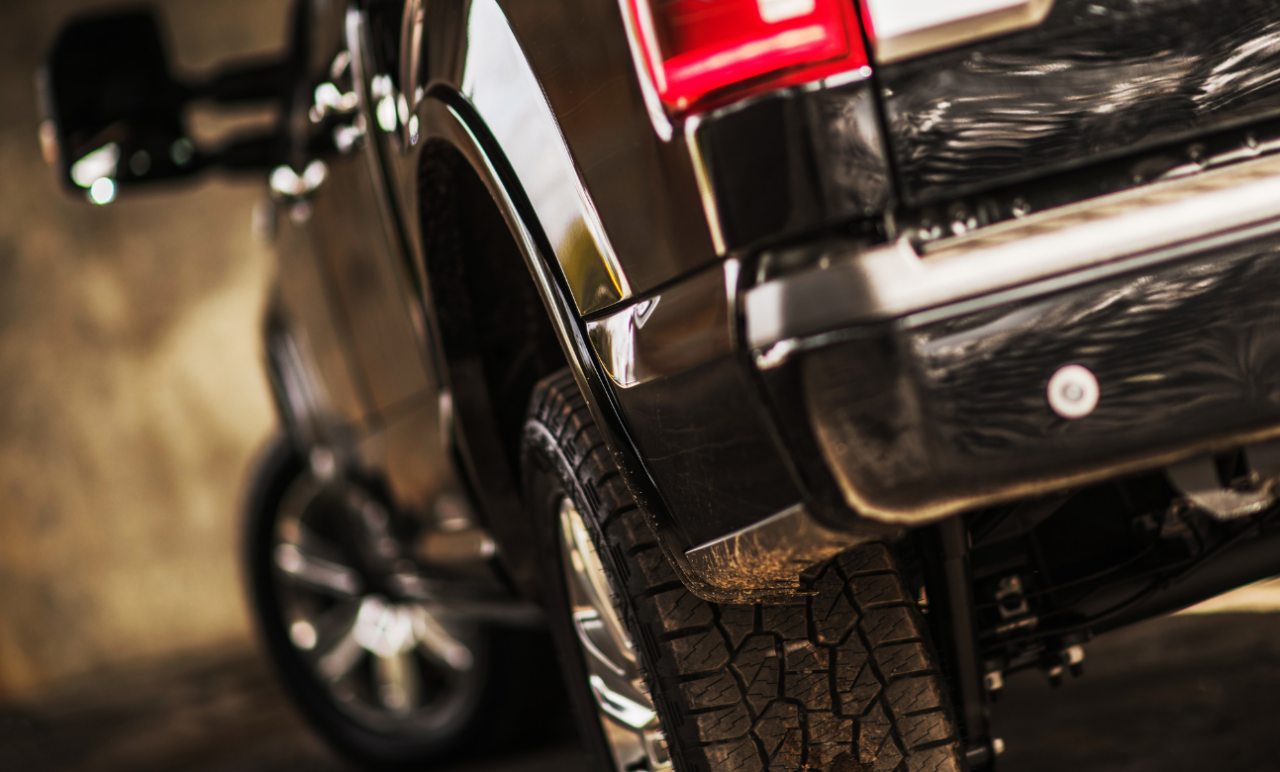
Personal vs. business auto insurance: What Canadian business owners need to know
If you use your vehicle for business, your auto insurance premium is influenced by more than just your driving record.…
-

OEMs and integrators: Managing third-party risks in manufacturing
Manufacturers don’t operate alone; OEMs and integrators are effectively ‘in the house.’ That’s where third‑party risk shows up. OEMs can…
-

Claims lessons Canadian businesses can’t ignore after $11 billion in severe weather losses
After more than $11 billion in severe weather losses, Canadian businesses are learning that catastrophe risk is no longer driven…
Ready to get your free Ontario commercial farm insurance quote?
Simply complete our online form to receive free, no obligation quotes and advice from an expert broker.